

While most parts of the country deal with freezing temperatures and snow-covered backyards, Tucson homeowners face a different kind of challenge during winter. The climate in Southern Arizona is relatively mild, and although temperatures can dip, especially at night, they rarely reach the levels that demand full pool shutdowns or winterization like in northern states. Still, winter pool maintenance in Tucson, AZ requires a strategic approach that ensures your pool stays in top shape through the colder months and is ready to go when the weather warms up again.
Understanding the unique conditions of Southern Arizona can help you make smarter decisions about pool upkeep. Rather than completely covering or draining your pool, the focus shifts toward efficiency, cleanliness, and prevention of common seasonal issues like algae blooms or equipment wear. By knowing what matters most in this region, you can protect your investment while saving time, energy, and money.
Why Tucson’s Winter Climate Changes Your Pool Care Strategy
Tucson’s winters are mild by most standards, with average highs in the 60s and lows that occasionally dip below freezing. This means water in your pool will not typically freeze solid, and you can keep it operational all year with a few seasonal adjustments. Unlike the traditional winterization approach taken in colder states, where pools are drained and covered, Tucson homeowners usually keep their pools open and running throughout winter.
However, this does not mean you can skip pool care entirely. In fact, neglecting it during winter can lead to problems like water chemistry imbalances, clogged filters, and buildup of debris. With fewer swimmers during this season, it might be tempting to reduce maintenance, but the water still requires circulation and chemical balance to stay healthy. Algae can grow even in cooler water if sanitation levels drop too low, and windstorms can blow debris into the pool that clogs filters and introduces contaminants.
The key Arizona pool care tip here is consistency. Though winter demands less frequent attention than summer, Tucson homeowners should maintain a regular maintenance schedule tailored to the season’s lighter demands but unique challenges.
Water Chemistry Still Matters in Winter
One of the most overlooked aspects of winter pool maintenance in Tucson, AZ is water chemistry. Just because the temperature drops and pool usage declines does not mean the water stops needing attention. Pool chemicals like chlorine and pH balancers still play a vital role in maintaining a safe and clean swimming environment.
Cooler water temperatures will slow down the chemical reactions, but it will not stop the breakdown of chlorine or the accumulation of contaminants. Regular testing remains essential to monitor pH, alkalinity, calcium hardness, and sanitizer levels. During winter, chlorine demand may decrease due to lower sunlight and cooler temperatures, but you still need to keep it within recommended ranges to prevent algae growth and water cloudiness.
Additionally, maintaining balanced pH and alkalinity levels will help protect your pool’s surfaces and equipment. Low pH can cause corrosion of metal components and etching of plaster surfaces, while high pH can result in scale buildup and cloudy water. Weekly or bi-weekly testing and adjustment can prevent these problems and keep your pool in good shape with minimal effort.
Even during periods when your pool is not being used, the water should be circulated for several hours a day to prevent stagnation and promote even distribution of chemicals. This not only helps with sanitation but also protects your pump, filter, and plumbing from damage caused by sitting idle too long.
Debris Control and Equipment Protection
Tucson’s desert landscape, while beautiful, poses unique challenges for pool care. Winds can carry dust, leaves, and debris into your pool year-round, and winter is no exception. These materials can quickly clog filters, contribute to algae growth, and create unnecessary wear on your pump and skimmer systems.
Even if you’re not swimming regularly, you’ll want to skim your pool at least a couple of times per week and check baskets and filters for buildup. Automatic pool cleaners can be helpful during this season to keep the floor and walls clean with minimal manual effort.
Another Arizona pool care tip is to pay attention to your equipment, especially when overnight temperatures flirt with freezing. While deep freezes are rare in Tucson, when they do occur, exposed pipes and equipment can be vulnerable. To protect your pool, consider installing freeze protection timers or controllers. These systems automatically activate the pump when temperatures drop to near freezing, keeping water moving through the system and preventing freezing damage.
Additionally, check your heater, pump, and other equipment for signs of wear or malfunction. Since pool use is lighter in the winter, it’s a good time to perform routine maintenance or repairs that may be needed before the heavy-use season begins.
Should You Cover Your Pool in a Tucson Winter?
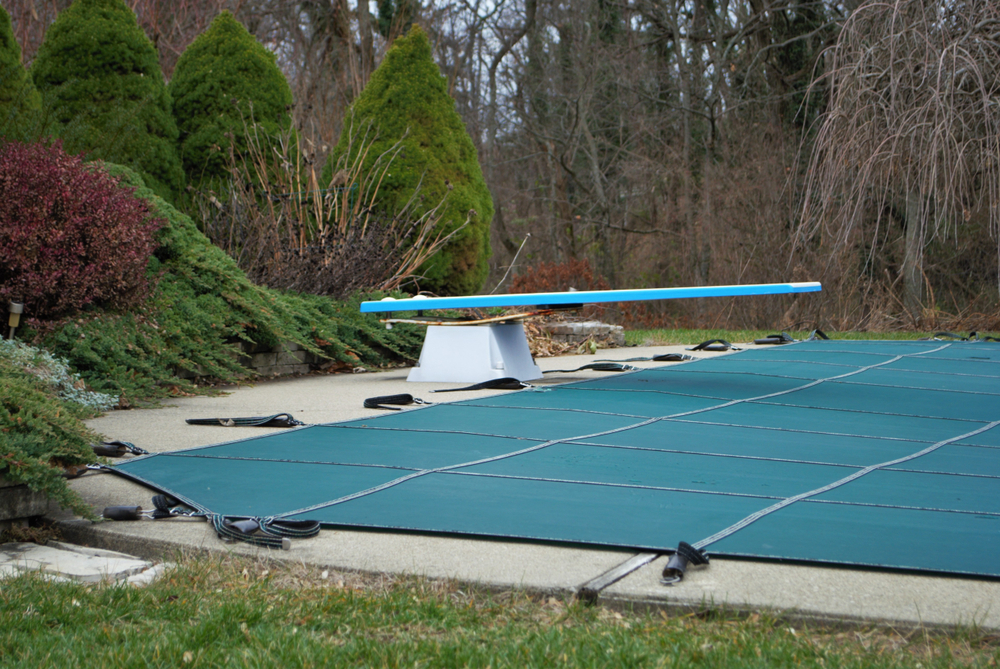
Whether or not to use a pool cover during Tucson’s winter months is a matter of preference, but there are some key pros and cons to consider. Covering your pool can help reduce evaporation, keep out dust and debris, and minimize the amount of sunlight that reaches the water. This can be beneficial for both chemical balance and water clarity.
However, because Tucson does not experience heavy snowfall or prolonged freezing temperatures, many homeowners opt to leave their pools uncovered for ease of access and regular circulation. If you choose not to cover your pool, you should increase your focus on regular skimming, filtration, and chemical testing. If you do choose to use a cover, make sure it fits securely and is designed for safety and durability.
Covers can also be useful in conserving water, which is a concern in Arizona year-round. Even in the winter, dry air and breezy conditions can lead to significant water loss through evaporation. A quality pool cover can slow this process and help retain heat, making it more energy-efficient if you choose to heat your pool for occasional use.
Energy Efficiency and Cost Savings During Winter
Winter presents a prime opportunity to reduce energy costs associated with pool operation in Tucson. Since water temperatures are naturally lower, there is less need for running heaters or high-speed filtration cycles. Adjusting your pump schedule to run during off-peak hours or for fewer hours each day can lead to noticeable savings.
You can also switch to variable-speed pumps if your system doesn’t already use one. These pumps allow for lower energy use by running at slower speeds for maintenance filtration while still having the capacity to ramp up when necessary.
If you are heating your pool during winter, using a solar cover or thermal blanket can help retain heat and reduce the frequency and intensity of heater use. Solar pool heaters are also a popular eco-friendly choice in Southern Arizona, taking advantage of the region’s abundant sunshine.
Energy-efficient pool lighting and automation systems can further cut costs. Winter is a good time to evaluate your pool system’s performance and identify upgrades that could make your pool more efficient year-round.
Conclusion
Winter pool maintenance in Tucson, AZ requires a tailored approach that acknowledges the region’s mild climate, desert conditions, and unique water management challenges. While you don’t need to winterize your pool in the traditional sense, you still need to pay attention to water chemistry, debris management, and equipment protection.
By staying on top of regular maintenance, adjusting for seasonal changes, and investing in efficiency upgrades, Tucson homeowners can keep their pools in great condition year-round. With the right care strategy, your pool can stay clean, clear, and ready to use even during the cooler months. These Arizona pool care tips are not only practical but essential for ensuring your pool remains a valuable and enjoyable part of your home.