

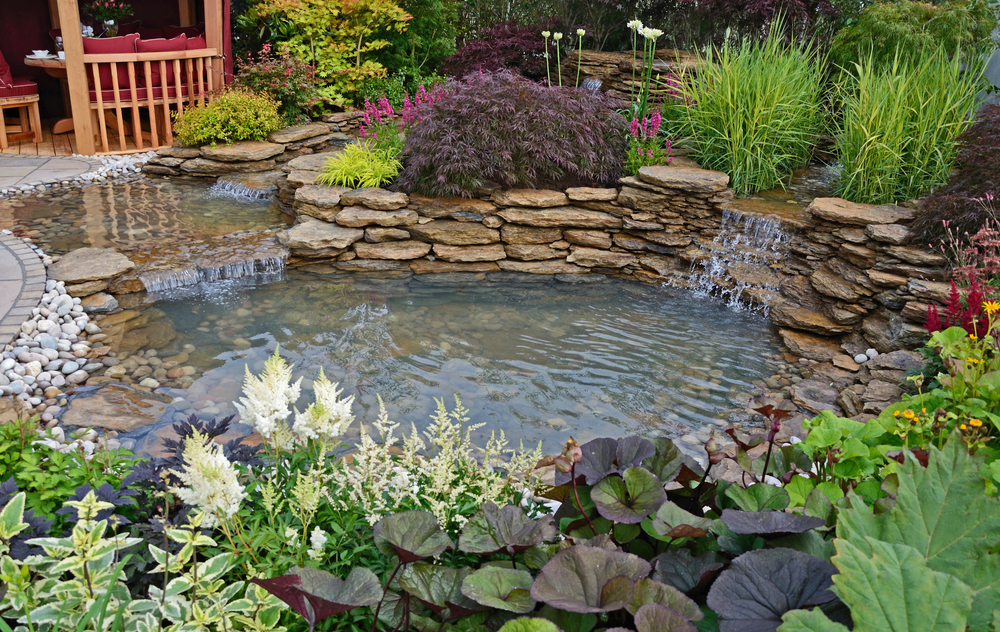
A backyard pond can transform an outdoor space into a peaceful retreat, but building one in the Sonoran Desert comes with unique challenges. From intense summer heat to hard water and seasonal monsoon storms, Tucson homeowners need to plan carefully if they want a pond that stays healthy, attractive, and easy to maintain.
Quick Answer
Building a backyard pond in Tucson requires more than choosing the right size and shape. Homeowners should consider water loss from evaporation, filtration needs, fish safety during extreme temperatures, local landscaping, and long-term maintenance. Planning for Arizona’s climate from the beginning helps prevent costly problems and creates a pond that thrives year-round.
What Local Readers Should Know
-
Tucson’s hot, dry climate causes significantly more evaporation than many other parts of the country, making automatic water management worth considering.
-
Monsoon storms can wash debris, sediment, and landscape material into ponds if grading and drainage are not planned properly.
-
Hard water common throughout Southern Arizona affects pond equipment, water chemistry, and long-term maintenance.
-
Native desert landscaping can complement a pond beautifully while reducing unnecessary water use around the feature.
-
A properly designed filtration and circulation system is essential for maintaining healthy water during Arizona’s long summer season.
Why This Matters Locally
Building a pond in Tucson is different from building one in cooler or wetter climates. The combination of intense sunlight, triple-digit summer temperatures, low humidity, and occasional heavy monsoon rainfall creates conditions that require thoughtful planning.
Homeowners in areas such as Oro Valley, Marana, Rita Ranch, Catalina Foothills, and Vail often have different yard elevations, soil conditions, and landscaping styles that influence pond construction. Pima County properties can also vary significantly depending on lot size and terrain, making every project unique.
Arizona Pool & Pond Company helps homeowners design ponds that fit both their property and the realities of Southern Arizona living. After that first introduction, we focus on creating water features built for our local environment.
Local Data or Field Observations
Professional experience consistently shows that evaporation is one of the biggest concerns for backyard ponds in Southern Arizona. During the hottest months, homeowners often notice water levels dropping much faster than expected.
Our field observations also show that ponds placed in full afternoon sun generally require more maintenance than those that receive some natural shade. Proper equipment sizing, circulation, and thoughtful placement can make a noticeable difference in long-term performance.
Local Impact
A well-designed pond adds beauty, relaxation, and visual interest to a property. However, a poorly planned pond can become difficult to maintain if local conditions are ignored.
Heat encourages algae growth, hard water contributes to mineral buildup, and blowing desert dust increases cleaning requirements. Planning around these challenges reduces maintenance while helping fish, aquatic plants, and filtration systems perform more effectively.
Warning Signs That a Pond Design Needs Improvement
Some issues become obvious shortly after construction if important planning steps were missed.
-
Water levels drop much faster than expected.
-
Fish appear stressed during the hottest part of summer.
-
Excessive algae develops despite regular maintenance.
-
Water remains cloudy for extended periods.
-
Debris regularly washes into the pond after monsoon storms.
-
Pumps or waterfalls struggle to maintain proper flow.
-
Mineral deposits accumulate quickly on rocks or equipment.
These warning signs often point toward design improvements rather than isolated maintenance problems.
When to Call a Professional
Professional guidance is recommended before construction begins if you plan to install a larger pond, keep koi, build waterfalls, or incorporate complex filtration systems.
Homeowners can certainly research pond styles, choose plants, and think about placement, but professional planning becomes valuable when excavation, plumbing, electrical work, grading, or advanced water circulation are involved. Local expertise helps avoid problems that become expensive to correct later.
Common Local Causes of Pond Problems
1. Extreme Summer Heat
High temperatures place stress on fish, increase evaporation, and encourage algae growth.
2. Hard Water
Minerals naturally found in Southern Arizona water can accumulate inside pumps, plumbing, waterfalls, and filtration equipment over time.
3. Monsoon Storms
Heavy rainfall can introduce sediment, leaves, mulch, and other debris into ponds if surrounding landscaping is not designed properly.
4. Intense Sun Exposure
Direct sunlight throughout the day raises water temperatures and supports rapid algae growth.
5. Undersized Filtration
Many pond issues begin because filtration systems are designed for average climates rather than Arizona’s demanding conditions.
Prevention and Maintenance
The best pond maintenance starts before construction.
Consider these preventive steps:
-
Choose a location that balances sunlight with afternoon shade.
-
Install filtration sized appropriately for the pond’s intended use.
-
Plan drainage to keep storm runoff away from the pond.
-
Monitor water levels regularly during summer.
-
Remove debris before it reaches pumps and filters.
-
Inspect pumps and circulation equipment seasonally.
-
Test water quality periodically, especially if keeping koi or ornamental fish.
Routine maintenance is much easier when the pond is designed with accessibility and cleaning in mind.
Expected Results
A thoughtfully designed pond should provide years of enjoyment with manageable routine maintenance. Homeowners can expect clearer water, healthier aquatic life, improved equipment performance, and fewer seasonal problems when the design accounts for Tucson’s climate.
While every pond requires ongoing care, proper planning significantly reduces avoidable maintenance and unexpected repairs.
Common Mistakes
Mistake: Building a pond without considering afternoon sun.
Consequence: Water temperatures rise quickly, increasing algae growth and stressing fish.
Better Approach: Position the pond where it receives balanced sunlight or incorporate shading features into the design.
Mistake: Installing filtration based only on pond size.
Consequence: Equipment struggles during Arizona’s hottest months.
Better Approach: Size the filtration system according to climate, fish load, and desired water clarity.
Mistake: Ignoring landscape drainage.
Consequence: Storm runoff carries debris and sediment into the pond.
Better Approach: Grade surrounding landscaping to direct runoff away from the water feature.
Common Local Scenario
A homeowner in the Catalina Foothills decides to add a decorative pond after completing a backyard renovation. The pond looks beautiful during spring but begins losing water rapidly in summer while algae becomes difficult to control.
After evaluating the site, improvements such as upgraded circulation, better filtration, and adjustments to surrounding landscaping help create a more stable environment that’s easier to maintain throughout the year.
Related Service Solutions
Professional pond services can help with:
-
Custom pond design
-
Pond construction
-
Waterfall installation
-
Pond renovations
-
Filtration upgrades
-
Pond cleaning
-
Leak inspections
-
Seasonal maintenance
-
Koi pond planning
-
Water feature enhancements
Comparing Your Options
| Option | Advantages | Considerations |
|---|---|---|
| DIY Pond Kit | Lower upfront cost and personal involvement | May not account for Arizona-specific challenges |
| Custom Professional Pond | Designed specifically for your property and climate | Higher initial investment |
| Small Decorative Pond | Easier maintenance and lower water usage | Limited space for fish and larger aquatic plants |
| Large Ecosystem Pond | Greater visual impact and natural balance | Requires more planning and equipment |
Service Areas
We proudly serve homeowners throughout Tucson and nearby communities including Oro Valley, Marana, Vail, Sahuarita, Catalina Foothills, and other surrounding areas across Pima County.
Our understanding of local climate and landscape conditions helps us recommend solutions that fit Southern Arizona properties.
Cost of Ignoring the Issue
Skipping proper planning often leads to higher maintenance costs, equipment upgrades, recurring algae problems, and unnecessary frustration. Correcting design issues after construction is usually more expensive than incorporating good design practices from the beginning.
Frequently Asked Questions
Do backyard ponds work well in Tucson?
Yes. Backyard ponds can perform very well in Tucson when they are designed specifically for desert conditions, including proper filtration, circulation, and evaporation management.
How much water evaporates from a pond in Southern Arizona?
Evaporation varies throughout the year, but homeowners in Southern Arizona should expect noticeably greater water loss during the hottest months compared to cooler climates.
Can koi survive Tucson summers?
Yes. Koi can thrive in Tucson when ponds are properly designed with adequate depth, aeration, circulation, and water quality management.
Do I need a professional filtration system?
Yes. A properly sized filtration system is one of the most important investments for maintaining healthy water, especially during Arizona’s extended warm season.
Will monsoon storms affect my backyard pond?
Yes. Heavy rainfall can introduce debris and sediment into ponds if surrounding drainage is not planned carefully during construction.
Are backyard ponds difficult to maintain in Pima County?
Not necessarily. Maintenance becomes much more manageable when the pond is designed with local climate conditions, equipment access, and seasonal care in mind.
What plants grow well around Tucson ponds?
Many homeowners combine aquatic plants with drought-tolerant desert landscaping to create an attractive outdoor environment while conserving water around the pond.
When is the best time to build a pond in Tucson?
Many homeowners begin projects during the cooler months when excavation and landscaping are generally more comfortable, although pond construction can be completed throughout much of the year with proper planning.
Closing
A backyard pond can become one of the most enjoyable features of your property, but success starts with understanding Tucson’s unique environment. Careful planning helps create a pond that remains beautiful, functional, and easier to maintain through every season.
Build a Backyard Pond Designed for Southern Arizona
We understand the challenges of creating beautiful water features that perform well in Tucson’s demanding climate. Whether you’re planning your first pond or upgrading an existing one, we’re here to help you make informed decisions every step of the way.