

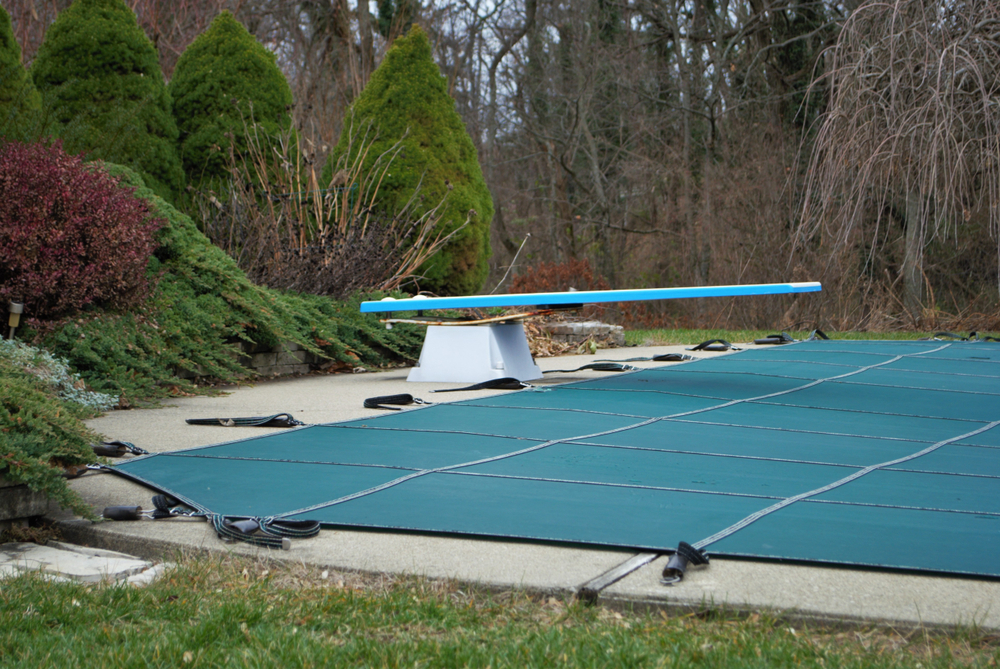
Winter in Tucson does not usually mean shutting a pool down for months under snow and ice. It does mean cooler water, changing maintenance needs, falling debris, occasional freezing nights, and different demands on pumps, heaters, filters, and spa equipment.
Preparing before the coldest nights arrive can make winter pool maintenance easier and help protect equipment until warmer weather returns.
Quick answer: Preparing a pool or spa for winter in Tucson usually means keeping the water properly balanced, cleaning the pool and filtration system, adjusting circulation for cooler conditions, checking exposed plumbing and equipment, and planning for freezing nights. Most local pools remain operational rather than being completely winterized and closed.
What local homeowners should know
-
Tucson’s mild winters generally allow pools to remain open and maintained throughout the season.
-
Freezing temperatures can still occur, so exposed plumbing and pool equipment should not be ignored.
-
Tucson Water describes local water as hard, making scale and mineral management an ongoing concern.
-
Spas generally require more frequent water-quality attention than unused pools because their warmer water and smaller volume create different maintenance demands.
-
Fall is a good time to inspect equipment before overnight temperatures become colder.
Why Does Winter Pool Preparation Matter in Tucson?
Winter pool preparation matters in Tucson because mild daytime weather can make homeowners underestimate what cooler nights can do to equipment and water chemistry. The National Weather Service lists December 3 as Tucson’s average first occurrence of a 32°F temperature based on 1991-2020 data, although actual conditions vary considerably from year to year.
That matters whether you live near the Catalina Foothills, Oro Valley, Marana, Vail, or elsewhere in Pima County. Conditions can also differ with elevation and location across the metro area.
Arizona Pool & Pond Company helps area property owners care for pools and water features through the region’s changing seasons. We recommend treating winter preparation as preventive maintenance rather than assuming desert weather eliminates cold-weather concerns.
What Does Local Climate Data Tell Pool Owners?
Local climate data shows that Tucson winters are generally mild but freezing weather remains a possibility. National Weather Service climate data lists the area’s average first freeze around early December and average last freeze around early February, although individual seasons can differ significantly.
The variation is important. The National Weather Service reported that winter 2025-2026 was unusually warm, with no freezing low recorded at the official Tucson location. That was the first winter without an official freezing low there since records began in 1894.
One warm winter, however, does not eliminate the historical freeze risk. Pool preparation should be based on the possibility of cold nights rather than assuming the previous winter will repeat itself.
How Can Winter Conditions Affect Your Pool or Spa?
Winter conditions can affect circulation, water chemistry, heating demand, debris accumulation, and exposed equipment even when a pool remains open. Cooler water changes how often a pool is used and maintained, while occasional cold nights create additional concerns around pumps, filters, valves, and exposed plumbing.
Pools near mature desert landscaping may also collect leaves, seed pods, dust, and windblown material. Properties around the foothills and other landscaped parts of the metro area can experience very different debris loads from homes with more open desert surroundings.
Spas deserve particular attention because homeowners often continue using them throughout winter. A heated spa still needs consistent sanitation, circulation, filtration, and water balance even when the swimming pool sees little use.
What Are the Warning Signs Your Pool Needs Winter Attention?
Signs that a pool or spa needs winter attention include changing water quality, visible mineral buildup, equipment problems, and plumbing that is not ready for cold nights.
Watch for:
-
Cloudy or discolored water that does not clear with normal maintenance.
-
White scale or mineral deposits around the waterline, tile, fittings, or equipment.
-
Reduced circulation or noticeably weak return flow.
-
Unusual pump, heater, or filter noises.
-
Leaks or moisture around equipment connections.
-
Exposed pipes that have no apparent cold-weather protection.
-
A spa that struggles to maintain its normal temperature.
-
Heavy debris accumulating faster than the filtration system can manage it.
Catching these issues in fall or early winter gives homeowners time to address them before a colder night or equipment failure complicates the situation.
When Should You Call a Pool Professional?
You should call a pool professional when winter preparation involves malfunctioning equipment, leaks, heater problems, uncertain freeze protection, persistent water-balance problems, or plumbing concerns beyond routine homeowner maintenance. Basic cleaning and visual checks are reasonable DIY tasks, but equipment diagnosis and repairs may require professional attention.
This is particularly useful before forecast freezes. A professional can evaluate circulation, pumps, filters, valves, heaters, and exposed plumbing based on the actual equipment installed at the property.
What Are Common Winter Pool Problems in Southern Arizona?
Common winter pool problems in Southern Arizona include mineral scale, neglected water chemistry, debris buildup, reduced circulation, and inadequate preparation for occasional freezing temperatures.
1. Hard-water mineral buildup: Tucson Water states that local groundwater is naturally hard and that water supplied in the area tends to be hard. Calcium and magnesium contribute to hardness, which can result in mineral deposits and scale.
2. Reduced maintenance after swimming season: A pool can look quiet during December or January while water chemistry and filtration still require attention.
3. Cold-weather equipment exposure: Pumps and above-ground plumbing can be vulnerable when temperatures drop low enough for water to freeze.
4. Seasonal debris: Wind, leaves, dust, and surrounding landscaping can continue adding material to the water even when nobody is swimming.
5. Spa maintenance demands: A spa used regularly through winter still needs appropriate sanitation, filtration, and water balance.
How Can Tucson Homeowners Prepare Their Pools for Winter?
Tucson homeowners can prepare their pools for winter by cleaning thoroughly, testing and balancing the water, checking filtration and circulation, inspecting equipment, and creating a plan for freezing nights.
Start before the coldest part of the season. Remove debris from the pool and baskets, inspect the filter, look for leaks, and verify that water is circulating normally. Test water chemistry rather than assuming cooler water means it no longer matters.
Pay attention to calcium hardness and scale as part of overall water balance. Tucson Water classifies local water as hard to very hard depending on location and supply conditions, so mineral management is particularly relevant to area pool owners.
Before freezing weather is forecast, verify that the pool’s freeze-protection strategy is appropriate for its specific equipment. Do not wait until temperatures are already dropping to discover that a pump, controller, valve, or other component is not working correctly.
What Should You Expect From Proper Winter Pool Maintenance?
Proper winter pool maintenance should keep the water cleaner, equipment monitored, and the system better prepared for seasonal temperature changes. It can also make spring maintenance less complicated because problems have not been allowed to accumulate unnoticed for several months.
Results vary according to equipment condition, pool design, landscaping, water chemistry, and how frequently the pool or spa is used. An older system in central Tucson may have different needs from newer equipment at a home in Marana or Oro Valley.
What Winter Pool Maintenance Mistakes Should You Avoid?
Winter pool maintenance mistakes usually come from treating a mild desert winter as a maintenance-free season.
Mistake: Turning attention away from the pool completely.
Consequence: Water chemistry, debris, or equipment problems can develop unnoticed.
Better approach: Maintain a regular winter inspection and cleaning schedule.
Mistake: Assuming Tucson never freezes.
Consequence: Exposed plumbing and equipment may be unprepared for an unusually cold night.
Better approach: Have a freeze plan ready before cold weather is forecast.
Mistake: Ignoring scale because the pool is used less often.
Consequence: Mineral deposits can continue developing even outside peak swimming season.
Better approach: Monitor water balance and calcium-related conditions year-round.
Mistake: Treating a spa exactly like an unused pool.
Consequence: Frequently heated and used spa water may not receive enough attention.
Better approach: Maintain the spa according to its temperature, use, equipment, and water condition.
What Is a Common Winter Pool Scenario in Tucson?
A common winter pool scenario in Tucson is a homeowner who stops swimming in fall and significantly reduces maintenance because the water looks clear. Leaves and debris gradually collect, chemistry changes, and equipment receives little attention until a cold-weather forecast arrives.
At that point, the homeowner may discover a circulation problem or uncertainty about the system’s freeze protection.
A better approach is to perform seasonal maintenance while conditions are comfortable and address equipment questions before a cold night creates urgency.
Which Pool Services Can Help With Winter Preparation?
Pool maintenance, water testing and balancing, equipment inspections, cleaning, troubleshooting, and appropriate repairs can all support winter preparation. The exact service depends on whether the concern is routine seasonal maintenance or a specific problem with circulation, filtration, heating, plumbing, or water condition.
We can evaluate the pool or spa as a complete system and help identify maintenance or equipment issues that should be addressed before colder weather.
Is DIY Winter Preparation or Professional Service Better?
DIY winter preparation works well for routine observation and maintenance, while professional service is more appropriate when equipment, plumbing, heating, or persistent water-quality problems need diagnosis.
Homeowners can safely remove debris, empty accessible baskets, monitor water appearance, test chemistry if they are comfortable doing so, and visually check for obvious leaks.
Professional help makes more sense when a pump is not circulating correctly, a heater is malfunctioning, plumbing is leaking, controls are unreliable, or you do not know how your particular system should respond to freezing temperatures.
What Areas Have Similar Winter Pool Concerns?
Pool owners throughout Tucson and surrounding Pima County communities can face similar seasonal concerns, although elevation and neighborhood conditions affect individual properties. Oro Valley, Marana, Catalina Foothills, Vail, and Sahuarita homeowners should prepare according to the conditions and equipment at their specific property.
What Can Happen If You Ignore Winter Pool Maintenance?
Ignoring winter pool maintenance can allow water-quality problems, mineral deposits, debris, leaks, and equipment issues to become more difficult to address. A malfunction discovered immediately before a freezing night also leaves less time to make a repair or determine how to protect the system.
Regular winter checks are less about creating alarm and more about finding small problems while there is still time to handle them.
FAQ
Do pools need to be winterized in Tucson?
Most Tucson pools do not require the same full shutdown used in regions with prolonged freezing weather. They still need seasonal preparation, including water care, cleaning, equipment checks, and a plan for freezing nights. The right approach depends on the pool’s plumbing, controls, equipment, and how it will be used during winter.
Does it get cold enough in Tucson for pool pipes to freeze?
Yes, freezing temperatures can occur in Tucson. National Weather Service historical data places the average first freeze around December 3, although each winter is different. Exposed plumbing and equipment containing water can become a concern during sufficiently cold conditions, so homeowners should understand their system’s freeze-protection needs in advance.
Should I run my Tucson pool pump during freezing weather?
Your pool’s circulation and freeze-protection strategy should follow the requirements of its specific equipment and plumbing configuration. Some systems use automated freeze protection that activates circulation at low temperatures. Verify that controls and pumps work before a freeze rather than assuming the system will protect itself.
Should I drain my pool for winter in Tucson?
Generally, homeowners should not assume a pool needs to be drained simply because winter is approaching. Local pools commonly remain filled and maintained through the season. Draining can involve additional considerations related to the pool structure, finish, equipment, and water conditions, so seek professional guidance when significant draining is being considered.
Does Tucson’s hard water affect pools during winter?
Yes, hard water remains relevant during winter because calcium and other dissolved minerals do not disappear when swimming season ends. Tucson Water describes local water as hard and notes that mineral levels vary across its service area. Proper water balance can help homeowners manage scale and other mineral-related pool concerns.
How often should I check my pool during a Tucson winter?
Your pool should still be checked regularly during winter, although the appropriate maintenance schedule depends on water temperature, equipment, landscaping, sanitation method, and debris. Do not simply stop checking it after swimming season. Consistent observation makes it easier to catch circulation, water-quality, or equipment problems early.
Do spas need special winter care in Pima County?
Yes, spas need consistent winter care because many homeowners use them more frequently during cool weather. Heated water, a relatively small water volume, and regular use can make water chemistry and sanitation change quickly. Filters, circulation, heating equipment, covers, and water balance should remain part of the maintenance routine.
When should I start preparing my pool for winter in Tucson?
Fall is a practical time to begin winter pool preparation in Tucson, before typical freezing conditions become a concern. The National Weather Service lists early December as the area’s average first freeze based on historical normals. Preparing earlier gives you time to address equipment or plumbing issues without the pressure of an immediate cold-weather event.
Get Your Pool or Spa Ready for a Tucson Winter
A desert winter may be mild, but your pool or spa still benefits from consistent water care, equipment checks, and preparation for the occasional freezing night. We can help you identify seasonal maintenance needs and address pool or spa problems before colder weather puts additional stress on the system.
Protect Your Pool Before Colder Nights Arrive
Get your Tucson pool or spa prepared for winter with service based on the condition of your water and equipment.